It’s easy to focus entirely on base pay, vehicle arrangements, or bonus structures when you’re weighing up a potential career move within the heavy equipment dealership industry. But an attractive remuneration package won’t offset the daily grind of an under-resourced, chaotic, or poorly managed dealership.
While management will always present their best sales pitch in an interview, the physical condition of the site and the body language of the team tell the real story. Whether you are interviewing for a role in machinery sales, parts interpretation, service coordination, or in the workshop, an onsite facility walkthrough offers an unedited look into how the business runs. Here’s what to look out for during your next branch walkthrough to ensure you’re joining a high-performing operation rather than inheriting an operational headache.
Yard staging and the sales environment
The front yard and showroom provide immediate clues about branch financial discipline and logistical coordination.
- Inventory condition: High-calibre branches stage equipment logically by model line and delivery readiness. If high-value tractors, prime movers, or excavators are parked haphazardly in overgrown weeds, or show flat tyres, sun-faded cabs, and pitted hydraulic cylinders from sitting exposed for months, it points to poor stock turnover and neglected asset care.
- Cannibalised machinery: Take note if trade-ins or yard inventory show missing mirrors, stripped batteries, or borrowed hydraulic fittings. Robbing parts from yard stock to satisfy urgent jobs is a telltale sign of broken parts replenishment and cash-flow strain.
- System integration: Observe the tools used on the sales floor. Are sales consultants using modern dealership management systems to track equipment arrival dates and build quotes, or are they shuffling through disconnected paper folders and desktop spreadsheets?
Parts warehouse and counter operations
The parts department is the logistical heart of the branch. When parts operations fall behind, the entire business slows down.
- Warehouse organisation: Look past the front retail counter into the racking. A well-run warehouse features clear alphanumeric bin locations, barcoded shelving, and unobstructed gangways. Overflowing return bins, unlabelled boxes stacked in walkways, and handwritten shelf tags suggest frequent inventory variances and lost stock.
- Inward freight flow: A small staging area of freight being actively processed is healthy. A back corner piled with unopened pallets carrying freight labels from a fortnight ago indicates severe staff shortages and an administrative backlog.
- Counter interactions: Watch the dynamic at the counter. Are parts interpreters spending their day calmly solving customer requirements, or are they constantly fielding frustrated phone calls about misplaced orders and backorders that were never placed?
Service reception and the front desk
Service reception bridges the gap between commercial fleet clients and technical staff. It is often the first department to crack under bad management.
- Desk management: Service advisors running an organised desk will track work in progress digitally. Desks buried in heaps of grease-stained paper repair orders and handwritten notes indicate administrative overwhelm and a lack of proper scheduling software.
- Customer tone: Spend a few moments observing customer traffic. Fleet managers and contractors understand that machines break down, but a pattern of heated disputes over unexpected invoices or missed delivery deadlines reveals chronic communication failures.
- Interdepartmental collaboration: Notice how service coordinators interact with parts staff and sales executives. If basic requests for pre-delivery inspections or warranty parts are met with eyerolling, defensiveness, or open arguments, the departments are operating in damaging silos.
General safety and equipment standards
Regardless of whether you work on the tools, a company’s commitment to basic health, safety, and infrastructure reflects how leadership views its workforce.
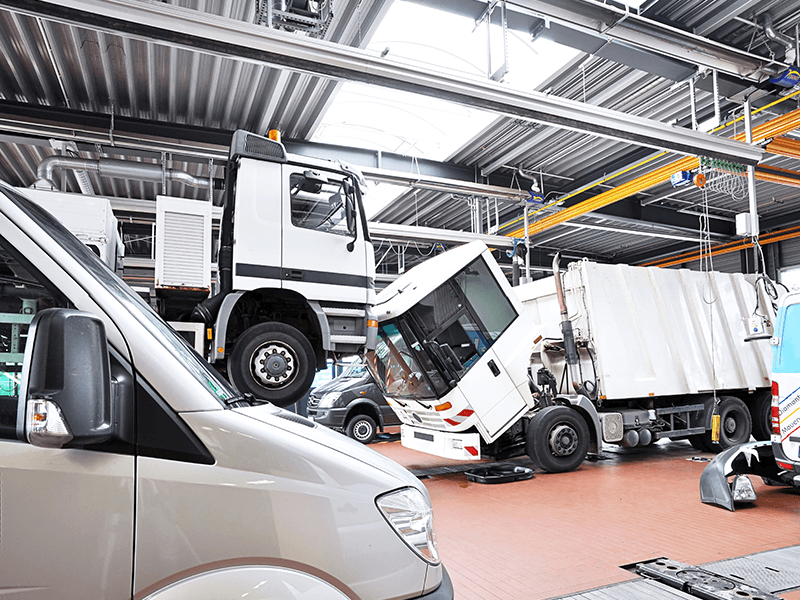
- Maintenance compliance: In technical areas, check for current inspection tags on overhead gantry cranes, hoists, and lifting gear. Expired inspection tags, frayed lifting slings, and broken safety latches on crane hooks indicate that management cuts corners on safety compliance.
- Housekeeping discipline: Workspaces get dirty during a busy day, but there is a distinct difference between active work and neglected housekeeping. Chronic oil slicks across main walkways, empty spill kits, and unbunded oil drums reveal poor operational standards.
- Equipment investment: Look at the company vehicles, yard forklifts, and shared diagnostic hardware. Broken diagnostic laptops, damaged field service bodies, and bald tyres on support vehicles point to deferred maintenance and tight operational budgets.
Team culture and staff amenities
The condition of staff amenities is one of the most reliable measures of how a business treats its people.
- The lunchroom test: A clean, well-lit staff lunchroom with working appliances, cold drinking water, and clean washrooms shows that management respects the daily wellbeing of its team. A filthy, neglected break room with broken chairs and stained benches speaks volumes about operational priorities.
- Noticeboard tone: Check the staff noticeboards. High-performing branches celebrate apprentice milestones, factory OEM training completions, and safety targets. Toxic environments often display passive aggressive management memos threatening penalties over minor housekeeping rules.
- Team energy: Do team members make eye contact, say hello, and converse naturally during breaks? A workplace where staff appear uncomfortable, avoid management, or stay glued silently to their phones often suffers from micromanagement and poor morale.
Making the right call
Every busy machinery branch experiences seasonal spikes, parts delays, and high-pressure days. The key is distinguishing between normal operational pressure and deep-rooted dysfunction. By paying attention to site presentation, interdepartmental communication, and basic facility maintenance during your walkthrough, you can see straight through the corporate sales pitch and choose an employer where your career can genuinely thrive.
Teamrecruit is Australia’s most established recruitment agency specialising in truck, earthmoving and agricultural machinery dealerships in Australia, New Zealand, the South Pacific and Southeast Asia. Find out more about Teamrecruit and how we support employers and candidates in the dealership industry.